.png)
Children are Starving as a Result of America’s Foreign Aid Cuts

A mother should never have to choose which of her children gets to eat. This summer, halfway around the world, thousands of mothers were forced to make exactly that choice.
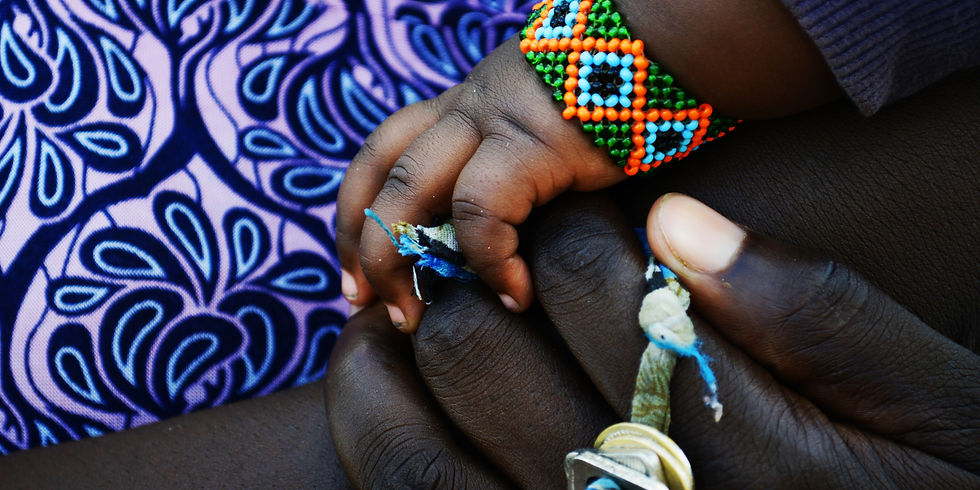
In Kakuma, a sprawling refugee camp in northern Kenya that is home to nearly 300,000 people who fled war and disaster, a young mother named Rose Natabo carried her two-year-old son, Santo, to the hospital because she had run out of food to feed him. She wasn't alone. Mothers throughout the camp — the third-largest refugee settlement in the world — were watching their children waste away after the World Food Program lost its funding due to the United States, its largest donor, cutting support earlier this year.
The cut came suddenly and without warning. After providing $112 million to WFP's Kenya operation in 2024, the Trump administration abruptly halted funding in January, leaving the organization no time to secure other support or import enough food for the year ahead.
For months, American officials and aid workers on the ground begged Trump's political advisers to reverse course — the U.S. embassy in Nairobi sent warnings to Secretary of State Marco Rubio's office that the cutoff would lead to mass hunger, violence, and instability. By August, WFP had been forced to cut rations to their lowest levels in the camp's history.
Nine long months passed before the State Department finally renewed WFP's grant in late September — and even then, the $66 million commitment fell 40% short of what the U.S. had given the year before. For families like Rose's, those nine months of waiting were the difference between a child who was fed and a child, like Santo, who was not.
A Family Caught in the Fallout of U.S. Aid
Rose fled South Sudan's civil war as a teenager after it reached her village. She built what life she could in Kakuma, raising her three sons alone after leaving an abusive marriage. When rations were cut, she had less than three weeks of food left before running out entirely.
By the time she reached the hospital with Santo, his body had already begun shutting down from severe malnutrition. He was so swollen with fluid that nurses could only find a vein in his head for an IV. "Their bodies have adapted to starvation," one nurse explained.
For a mother, watching your child suffer this way is its own kind of anguish. Scripture calls us again and again to protect the children, the widows, the strangers among us who cannot protect themselves. Santo, and children like him, are exactly who that calling was written for.
A Government Grappling With the Cost of Change
A senior State Department official defended the funding cuts as a necessary, if painful, step toward reforming America's foreign aid system. But for families like Rose's, disruption meant something far more immediate. WFP was left telling the camp's 300,000 residents that only about half would receive a small ration of rice, lentils and oil — and the rest would receive nothing at all.
A Mother Refusing to Leave Her Child's Side
Santo shrank to just 14 pounds during his hospital stay, and Rose stayed by his bed for weeks, doing laundry and tending to him to keep her mind occupied while wondering how her other two boys, Lino and James, were faring without her at home. "I don't want my kids to suffer alone," she said.
It's a sentiment every parent understands in their bones — the impossible tug between the child in front of you and the ones you had to leave behind. Rose herself grew up an orphan of war. Now grown, with children of her own, she still described herself simply as someone "in need of help."
Even as she cared for Santo, medical staff discovered Rose was pregnant and dangerously anemic — one of many pregnant women in the camp's maternity ward suffering complications that could be treated with something as basic as adequate food. A nutrition counselor, Jane Atim, could only offer the same simple, heartbreaking advice she gave every mother she saw: "The best thing for you to do is eat."
Coming Home to Little Relief
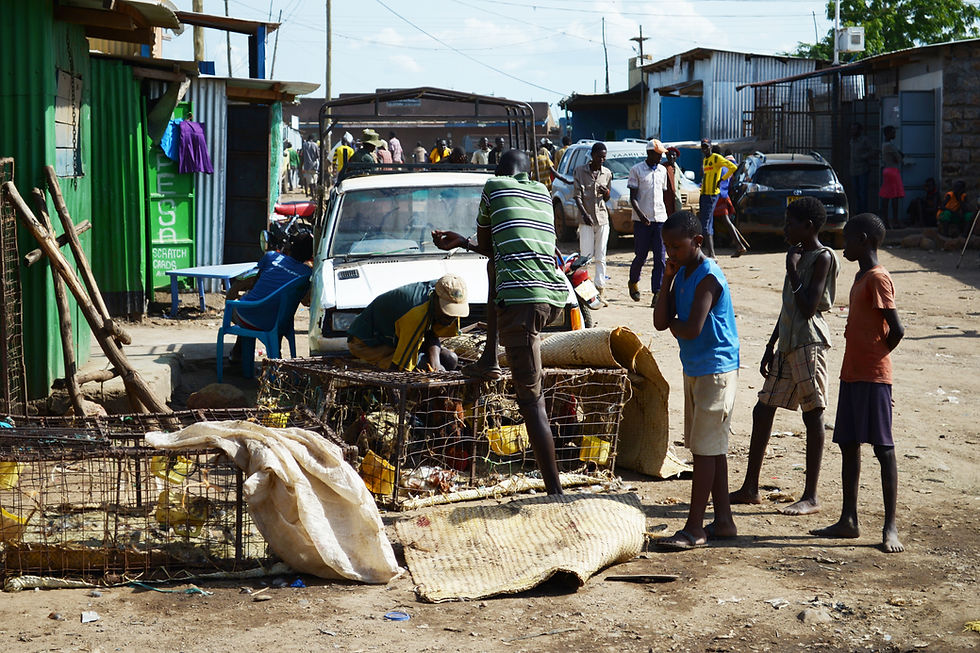
When Rose finally brought Santo home, she found her other two sons thinner, too. James had lost his shoes and struggled to walk. "He became so thin this year," Rose said.
A nutritionist who examined the boys had to tell Rose that the camp's supply of therapeutic, ready-to-use food — the very supplement designed to save the lives of starving children — had run out entirely. "We don't have Plumpy'Nut anymore," the nutritionist said, explaining that U.S. funding cuts had disrupted the global supply chain that once kept it stocked in warehouses around the world.
Rose gave birth to a daughter in October, naming her Sunday. But her family's hunger didn't end with the new addition. Her boys backslid. Santo's swelling returned, and he grew too weak to keep his eyes open.
In November, Rose brought him back to the hospital one final time. This time, doctors couldn't save him. Two weeks later, Santo died.
As Christians, we are called to be the hands and feet of Jesus in the world, to feed the hungry and heal the sick. Santo's story is a call to prayer — for softened hearts among our leaders, and for the restoration of the compassion this country has long been known for.


