.png)
How Prepare and Stay Warm Ahead of a Winter Storm

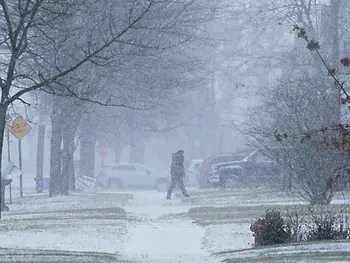
A significant winter storm is expected this weekend, bringing freezing temperatures, snow, ice, and possible power outages. Taking a few practical steps now can help your family stay safe, warm, and prepared if conditions worsen.
1. Prepare Your Home
Before the storm arrives:
Increase your thermostat slightly to help retain heat if power is disrupted.
Seal drafts around doors and windows using towels, blankets, or weather stripping.
Protect pipes by insulating exposed plumbing and opening cabinets under sinks.
Bring pets indoors and move outdoor plants or equipment to sheltered areas.
Charge all devices, including phones, laptops, flashlights, and power banks.
If using space heaters, confirm they are functioning properly and keep them away from flammable materials.
2. Stock Essential Supplies
Have enough supplies for at least 72 hours:
Non-perishable food and bottled water
Medications, prescriptions, and first-aid supplies
Flashlights and extra batteries
Blankets, cold-weather clothing, and hand warmers
Paper goods and hygiene items
Plan meals that don’t require cooking in case electricity or gas service is interrupted.
3. Prepare for Power Outages
Keep flashlights accessible in multiple rooms.
Avoid candles when possible; never leave them unattended.
Do not use grills, ovens, or generators indoors.
If you rely on medical devices that require power, make backup plans now.
Consider identifying one room in your home to conserve heat if temperatures drop.
4. Dress for Cold Conditions
Dress in layers, even indoors if necessary:
Thermal or long-sleeve base layers
Insulating layers such as sweaters or fleece
Warm socks, slippers, hats, and gloves
Layering is more effective than heavy clothing alone.
5. Vehicle and Travel Preparation
If travel is unavoidable:
Fill your gas tank in advance.
Keep an emergency kit in your vehicle with blankets, water, snacks, and a flashlight.
Avoid driving during peak storm conditions if possible.
Monitor local weather updates and road advisories.
6. Prevent Frozen Pipes
Let faucets drip slightly during extreme cold.
Know how to shut off your home’s main water valve.
Keep garage doors closed, especially if plumbing runs through the area.
7. Stay Informed
Monitor local weather alerts and emergency updates.
Keep a battery-powered or hand-crank radio available.
Follow guidance from local officials regarding travel, school closures, or warming centers.


