.png)
MAHA's Healthy Lunch Vision Has Arrived in Schools—But the Funding Hasn't

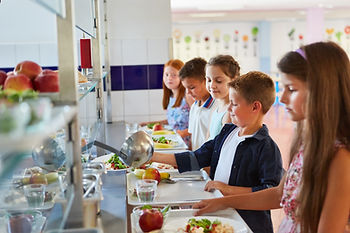
For the 30 million kids who eat through the National School Lunch Program, that cafeteria tray is more than just food—it's fuel for learning, growing, and dreaming. Now, sweeping new federal nutrition guidelines could reshape what ends up on that tray, and families nationwide are watching closely to see what it means for their kids.
In January, the Trump administration unveiled revised national dietary guidelines through Health Secretary Robert F. Kennedy Jr., reflecting the Make America Healthy Again (MAHA) vision. The new framework encourages Americans to move away from highly processed foods and prioritize "high-quality, nutrient-dense" protein at every meal. Because federally funded school meal programs must follow these guidelines, the changes will eventually reach cafeterias nationwide.
For parents who have long worried about what their children are actually eating at school, the goal of fresher, less processed food sounds like an answered prayer. But school nutrition directors say there's a hard reality behind the headlines: doing this well costs money many districts simply don't have, largely due to federal budget cuts by the Trump administration.
The Reality in the Lunchroom
At the Great Valley School District in Malvern, Pennsylvania, Nichole Taylor, supervisor of food and nutrition services, has spent the past year and a half working to bring fresher meals to her students. Today's kids, she's learned, are paying close attention.
"I don't have a TikTok account, but they're telling me, 'Hey, I saw this on TikTok. Can you make this? Can we do this?'" Taylor said. "I would have never asked my lunch lady to make something special for me. I would've just ate what they told me."
That engagement is a gift—an opportunity to show children that healthy food can also be food they love. But Taylor needs the resources to deliver on it.
"We want to follow the guidelines, because we are that voice that says, 'No, you can eat healthy and still eat really well,'" Taylor said. "But we also have to be realistic and say we need the funding for it."
The Dollars Behind Each Meal
Here's what many families don't realize: this year, the U.S. Department of Agriculture reimburses schools in the lower 48 states roughly $4.60 per meal for a child who qualifies for free lunch, $4.20 for reduced-price meals, and just 44 cents for kids whose families pay full price, according to the School Nutrition Association (SNA). Out of that small amount, schools must cover food, workers' wages, equipment, and utilities.
Protein—the very food group the new guidelines emphasize—is already the most expensive item on the plate. And most districts rely on pre-made, processed foods because they're affordable and require less labor.
Mara Fleishman, CEO of the Chef Ann Foundation, which helps schools cook more meals from scratch, points to an honest tension. "The conundrum is that often animal protein in school food is one of the most highly processed components," she said. The familiar chicken nugget, found in nearly every district, comes precooked and frozen with about 35 ingredients. A scratch-made version could use just six or seven—but that means more workers, time, equipment, and waste to manage.
A Push for Real Food, But Less Help Buying It
While the administration encourages schools to serve more wholesome ingredients, it has also wound down programs that helped them afford local farm-fresh food. The USDA ended the Local Food for Schools Cooperative Agreement Program, which had directed an estimated $660 million toward purchasing unprocessed meats, produce, dairy, and seafood from nearby farmers.
"That was a big loss," said Stephanie Dillard, SNA president and nutrition director for an Alabama district, "because we lost the money we could spend on local farmers."
The USDA says the program is being "sunsetted at the end of their performance periods," with some funding still remaining for states to use. The Patrick Leahy Farm to School grant program, paused for fiscal year 2025, has reopened for 2026 with up to $18 million available. Agriculture Secretary Brooke Rollins called the grants "one of the best ways we can deliver nutritious, high-quality meals to children, while also strengthening local agriculture."
At her January announcement, Rollins emphasized her focus on children: "Right now, that is going to be the single most important, from my perspective, move forward — is the school lunches and making sure that we're getting the right amount, the best amount and the most nutrient-dense foods into the schools."
Stretched Thin for Years
School cafeterias have been operating on a shoestring for a long time. Reimbursement rates adjust each year with inflation, but nutrition directors say it isn't nearly enough. In a January SNA survey, nearly 95% of school nutrition directors said they were worried about whether their programs would be financially sustainable three years from now.
"It all comes down to funding," Dillard said. "The sky would be the limit if we had the funding. We could cook all day long."
Why It Matters for Every Family
At the heart of every conversation about school lunch is something far more sacred than budgets and guidelines: the well-being of a child. Scripture reminds us that caring for the hungry is among the most tender callings we share, and Taylor speaks to that calling in her own words.
"If a kid is hungry, they're not studying. They can't learn. They're acting out," she said. "But if you build this into part of their school day to where they feel like this is the norm for them, then you've knocked down that hurdle."
For families across America, the question now is whether the policies, dollars, and dedicated workers in our school kitchens can come together to make sure that every child—no matter their zip code—is fed well, loved well, and ready to learn.


