.png)
The Heat Wave Hitting Family Budgets Just as Hard as the Thermostat
- Family Compassion

- 11 minutes ago
- 3 min read
Summer used to be an enjoyable time families look forward to. Instead, millions of American households will spend their summer watching their electric bill climb alongside the summer’s increasing heat. This cost is made heavier by tariffs and energy policies that are pushing prices higher at the exact moment families need relief most.
A Heat Wave That Reaches Into Every Home
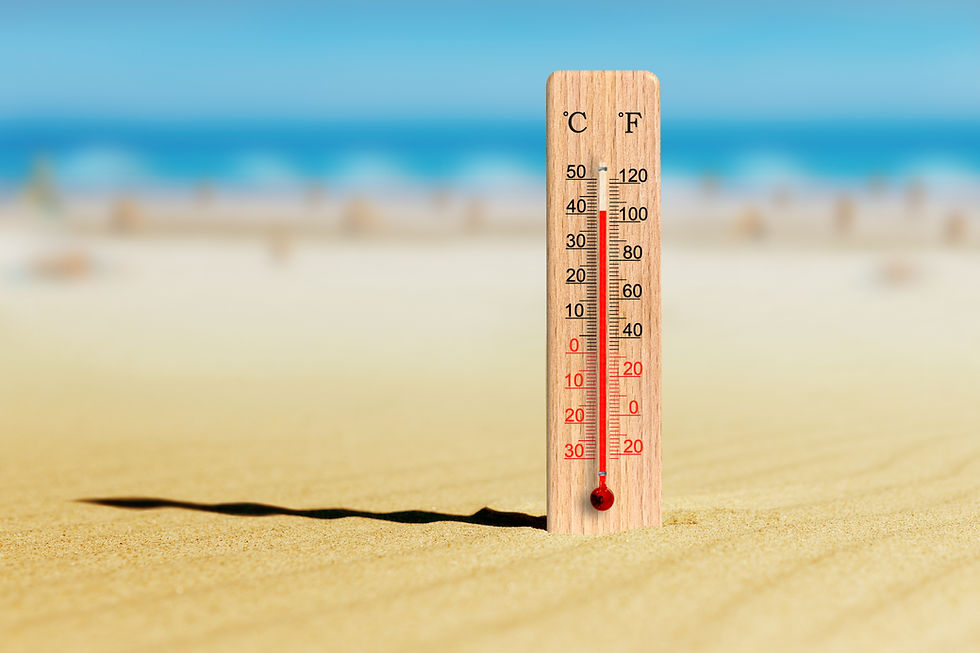
Over the Fourth of July weekend, a massive heat wave settled over a huge stretch of the United States, putting tens of millions of people at risk and straining the power supply for thousands of homes. But beyond the immediate danger of heat stroke and power outages, there's a quieter crisis unfolding in family budgets.
As Justin Mankin, a professor of geography at Dartmouth College, put it, "Extreme heat has economic consequences," adding that "the consequences seem to be negative just about everywhere."
That's a decision made harder by electricity prices rising 2.5 times faster than overall inflation over the past year, as clean energy cuts under the Trump administration have pushed the country toward more expensive, less stable power sources. Natural gas wholesale prices climbed 56 percent over the same stretch, and millions of residents across 49 states are now facing higher utility rates or rate-hike proposals that could cost consumers more than $92 billion by 2028.
Americans are projected to spend an average of $792 on electricity between June and September this year, a jump of more than 10 percent from the same stretch in 2025. During dangerous heat, air conditioning stops being a comfort and becomes a lifeline, especially for young children, older parents, and anyone with a chronic illness. Yet roughly one in six U.S. households is already behind on their utility bills. Every summer, millions of families face the impossible choice between running the AC and falling behind on rent, medicine, or groceries.
Small Steps That Can Ease a Heavy Bill
There’s no doubt that rising electricity bills are a heavy burden on American families, luckily there are a few practical, low-cost steps that can make a real difference on a summer electric bill.
Simple habits can help you stay cool and save money:
Raising the thermostat by just one degree can save an average of 3 percent on a monthly bill — a small adjustment that adds up over a whole season.
Close blinds and curtains during the hottest part of the day. Blocking direct sunlight keeps a home several degrees cooler without costing a thing.
Use ceiling fans and ventilation. A good fan helps distribute cooled air more evenly, reducing hot spots so the AC doesn't have to work as hard.
Only cool the rooms being used. Closing doors and vents in empty rooms lets a household focus its cooling — and its spending — where the family actually is.
Replace dirty HVAC filters and seal air leaks. These small maintenance steps keep cool air inside and can meaningfully reduce wasted energy.
Try "pre-cooling." Running the AC a few hours before peak afternoon rates begin, then easing off once they kick in, can save 10 to 20 percent on cooling costs for households on time-of-use utility plans.
Ask about assistance before falling behind. LIHEAP and state cooling-assistance programs exist for exactly this kind of hardship, and many eligible families never apply simply because they don't know the help is there.
Look into home energy-efficiency funding. The U.S. Department of Energy recently released $8.8 billion for home energy-efficiency upgrades, with some families qualifying for up to $15,000 toward better insulation or a more efficient air conditioning system.