.png)
Top Reddit Recommendations to Save Money on Groceries in 2026

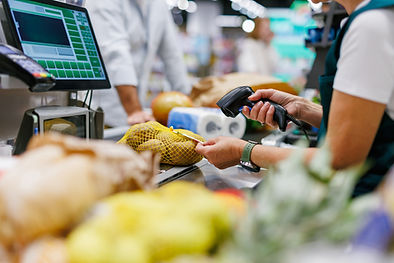
If your grocery bill has been climbing no matter how careful you are at the checkout line, you're not imagining it. Families across the country are feeling the squeeze from rising food prices, and the good news is that there are real, practical grocery-saving strategies to fight back — real-world tips on saving money on groceries, cutting food costs, and stretching a grocery budget without sacrificing quality or nutrition. Here are the best money-saving tips from Reddit.
Why Groceries Cost So Much Right Now
Before getting into the money-saving tips, it helps to understand what's actually driving prices up. It's not one single thing — it's several pressures hitting at once:
Tariffs on imported food. New import duties on goods from countries like Mexico, Canada, China, and the EU have added extra cost to produce, seafood, coffee, and packaged goods that come from overseas. New import tariffs on goods from Mexico, Canada, China, and the EU are layering on top of existing supply constraints — particularly the historically small US cattle herd and weather-related crop disruptions in major producing regions. Some estimates suggest the average American household is now absorbing more than $2,500 a year in tariff-related costs alone.
Conflict overseas. Wars and regional tensions affect food prices in ways that aren't always obvious. Higher fuel and fertilizer prices tied to military conflicts in the Middle East, Ukraine, and Russia, as well as a blockade of the Strait of Hormuz, have pushed up the cost of growing and transporting food. The Strait of Hormuz is a critical passage for both liquefied natural gas (a key feedstock for nitrogen fertilizer) and finished fertilizer itself — the Persian Gulf region supplies roughly a third of the world's seaborne urea, ammonia, and phosphate. When the strait was disrupted, urea prices jumped sharply within weeks, and the fertilizer price index climbed to its highest level in years. Since corn and soybeans are the backbone of cattle feed, and both crops depend heavily on nitrogen fertilizer, pricier fertilizer means pricier feed — which eventually shows up as pricier beef and dairy on the grocery shelf. It's a ripple effect: a shipping chokepoint halfway around the world ends up adding dollars to a package of ground beef at the local supermarket.
A smaller cattle herd and disease outbreaks. Beef prices have jumped significantly because the U.S. cattle herd is the smallest it's been in decades, with higher feed and labor costs keeping prices elevated — beef prices have surged roughly 12% to 15% over the past year, with ground beef recently hitting historic highs of nearly $7 per pound. Egg prices have also been affected by ongoing bird flu outbreaks in laying hens.
Weather and climate disruptions. Drought in California and damaged coffee crops in Brazil and Vietnam have squeezed the supply of produce and coffee, which pushes prices higher industry-wide.
It all adds up — and it's sticky. As one food economist put it, these pressures are structurally different from past inflation spikes: a combination of deliberate trade policy, long-term supply shortages, and climate-related production failures that do not resolve on a short timeline. In other words, this isn't a blip that fixes itself in a month or two. Grocery prices tend to plateau at a new, higher level rather than fall back down.
None of that is within any one family's control — but knowing why prices are up can make the situation feel less discouraging. It's not that anyone is doing something wrong. The whole system is under pressure.
Real Tips From Real Families
Here are some of the best, most practical grocery-saving tips families have shared with each other about stretching a food budget without giving up on healthy, quality groceries.
1. Shop with the seasons
Produce is cheapest and freshest at its peak season. Look up a seasonal produce guide for your region and plan meals around what's currently abundant — it's usually the best deal in the store.
2. Explore ethnic and international markets
Many families have found that neighborhood ethnic grocery stores offer significantly better prices on produce, spices, and staples than big chain supermarkets — and they're a great way to discover new, affordable ways of cooking.
3. Build a relationship with your freezer
A chest freezer pays for itself quickly. Buy reduced-price meat when stores mark it down to clear space for new stock, portion it, and freeze it. Do the same with fruit that's about to overripen — perfect for smoothies later.
4. Try a CSA (Community Supported Agriculture)
A CSA share connects you directly with a local farm. You pay for a season upfront and get a weekly box of fresh produce — often cheaper per pound than store prices, and it supports local growers. Some CSAs and farmers markets even match SNAP/EBT dollars, doubling your buying power.
5. Lean into plant-based staples
Rice, beans, lentils, tofu, and eggs are some of the most affordable proteins available, and they stretch a long way. You don't have to go fully vegetarian — even using meat as a smaller flavoring component instead of the main event can meaningfully cut costs.
6. Use store loyalty apps and stack coupons
Most major grocery chains (Kroger, Safeway, Publix, and others) have free apps with digital coupons and fuel points. Clipping a few coupons each week and shopping on days the store rewards extra points can add up over a year.
7. Buy store brands
Store-brand products are frequently made in the very same factories as name brands, just packaged differently — often at a noticeably lower price.
8. Grow what you eat most
If you have any outdoor space (or even a windowsill), growing high-use items like garlic, herbs, green onions, or tomatoes can eliminate some grocery purchases entirely. Garlic in particular is nearly "plant it and forget it."
9. Shop the markdown window
Many grocery stores discount meat and near-expiration items right before they switch over their weekly sales — often in the evening. Learning your store's markdown schedule can lead to real savings on quality proteins.
10. Try surplus/rescue food apps
Apps that connect shoppers with restaurants and stores offloading surplus food at steep discounts can occasionally turn up remarkable deals — some families have reported getting gourmet ingredients for a fraction of retail price.
11. Meal plan around your energy levels
One of the most honest tips shared: identify the moments you're most likely to break your budget — like ordering delivery after an exhausting day — and have a fast, easy backup meal ready so you're not tempted to overspend out of fatigue.
A Gentle Reminder
Grocery prices right now reflect forces much bigger than any household — trade policy, global conflict, weather, and supply chains all at once. Putting these tips into practice is genuinely meaningful, even if it doesn't erase the pressure entirely. Small, consistent changes — a freezer full of markdowns, a weekly seasonal shop, a CSA box — really do add up over a year, and every bit of breathing room matters for a family budget.


