.png)
U.S. Spends $11B on ICE & Deportations While Cutting SNAP Budget for American Families by $9B This Year Alone

Last year, the United States made a clear choice about what it wanted to invest in.
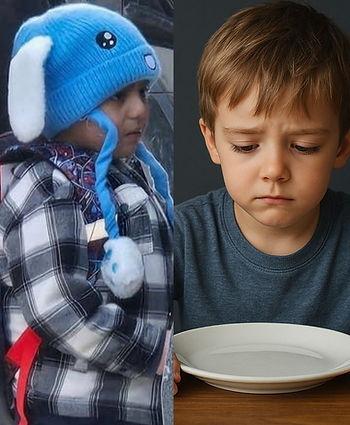
It poured tens of billions of dollars into immigration enforcement — expanding ICE operations, Border Patrol staffing, detention centers, surveillance technology, and deportation infrastructure. At the same time, it moved to cut food assistance and basic support for children, including SNAP and child nutrition programs that millions of families rely on just to get by.
In 2026, it’s doubling down on these decisions: spending $11B on ICE and cutting $9B from SNAP.
Now, spending on detentions and deportations exceeds what the federal government spends keeping children fed through SNAP.
American families are suffering the consequences of Washington’s bad decisions.
SNAP isn’t extra money. It’s groceries. It’s cereal, milk, rice, diapers bought instead of skipped. When funding is cut, families don’t just “tighten their belts.” They skip meals. Kids show up to school hungry. Parents choose between rent and food. Pediatricians see more anemia, more developmental delays, more stress-related illness.
Lisa C., a mother of three from Pennsylvania, relies on SNAP to help feed her children after losing her full-time job due to chronic health issues. With rising food costs and a household now dependent on a single income, SNAP has made it possible for her to keep her children fed and ensure they receive the nutrition they need to stay healthy.
She says, “It was life-changing for me and my family. [Before SNAP] I could only feed them certain kinds of meals. I wasn't able to think about nutrition as much. It was just trying to get something in their stomachs.”
Lisa isn’t alone—millions of families across the country face similar challenges and rely on SNAP to meet their basic needs.
The vast majority of SNAP recipients are children, seniors, or people with disabilities; our nation’s most vulnerable are bearing the brunt of these decisions.
We can choose to keep families fed, kids healthy, and communities stable — while still addressing immigration with humanity and care. We can invest in dignity instead of deprivation.
We can choose differently.


