
New USDA Proposal Could Leave Millions Without SNAP Food Assistance

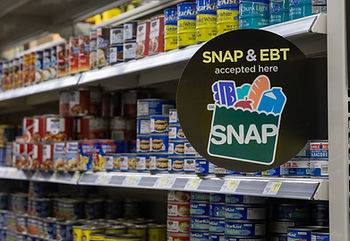
For a parent trying to make groceries last until payday, a little help can make a real difference. It can mean having enough milk for breakfast, packing a child’s lunch, or preparing dinner without falling behind on another bill.
A new USDA proposal could make that balancing act harder for millions of households. The department estimates that 6.3 million people would lose SNAP food assistance in fiscal year 2029, when the change is expected to reach its full effect.
The plan comes after major cuts to food assistance in the July 2025 budget reconciliation law, known as the One Big Beautiful Bill Act. By July 2026, 5.5 million fewer people were receiving SNAP than a year earlier. The law reduced funding and tightened eligibility, including expanding work requirements.
What would this mean for families
Currently, states have flexibility to help some households qualify for SNAP through other assistance programs. This can allow families to receive help even if their income or savings exceed the program’s regular federal limits.
The proposal would restrict that flexibility, requiring more households to meet those federal limits. USDA says the change would bring eligibility rules into line with federal law.
For parents affected by the change, losing grocery money would leave a gap they would have to fill while still paying for housing, childcare, utilities, and transportation. Having less help buying food could force difficult choices about which needs can wait.
Children could also face changes at school.
USDA estimates that about 1.78 million children would lose automatic eligibility for free school meals through SNAP. Nearly all would still qualify for free or reduced-price meals based on income, but some families would need to submit a separate application.
Where families can turn for help
Parents do not have to wait for a policy decision to seek help with food. Families struggling now can use Feeding America’s food bank locator or contact 211 to find nearby pantries and meal programs.
Caring for neighbors facing hunger reflects the Christian call to love others and honor their dignity. Churches, community groups, and families with room to give can offer practical support through pantry donations, volunteer time, or help picking up groceries.
Local needs vary. Contacting a nearby food pantry to ask which supplies or volunteer shifts are most needed can help direct that generosity where it will do the most good.


